Mount Tongariro Hikes
Discover volcanic craters, emerald lakes, and dramatic alpine scenery in Tongariro National Park. Experience New Zealand's most famous day hike through a landscape of cultural and natural significance.

Discover volcanic craters, emerald lakes, and dramatic alpine scenery in Tongariro National Park. Experience New Zealand's most famous day hike through a landscape of cultural and natural significance.
Plan access and guided options for Mount Tongariro Hikes. Use the official park or climb site for permits, fees, and safety rules. Use a trusted partner for guided hikes, transfers, and day tours with mobile tickets. Confirm altitude, weather, and inclusions before you book.

Best for Tongariro National Park Alpine Crossing notices and bookings.
When guided options are available for this mountain, book with a trusted operator and confirm inclusions, altitude, and cancellation terms.
Choose the official site for permits and park rules. Choose a partner tour when you want logistics handled (pickup, guide, timed entry) on a short trip.
Guided product cards will appear here when partner tours are curated for Mount Tongariro Hikes. Until then, use the official link above and the route notes below.
Use the official site for access rules, then check trusted local guides if you want a supported day.

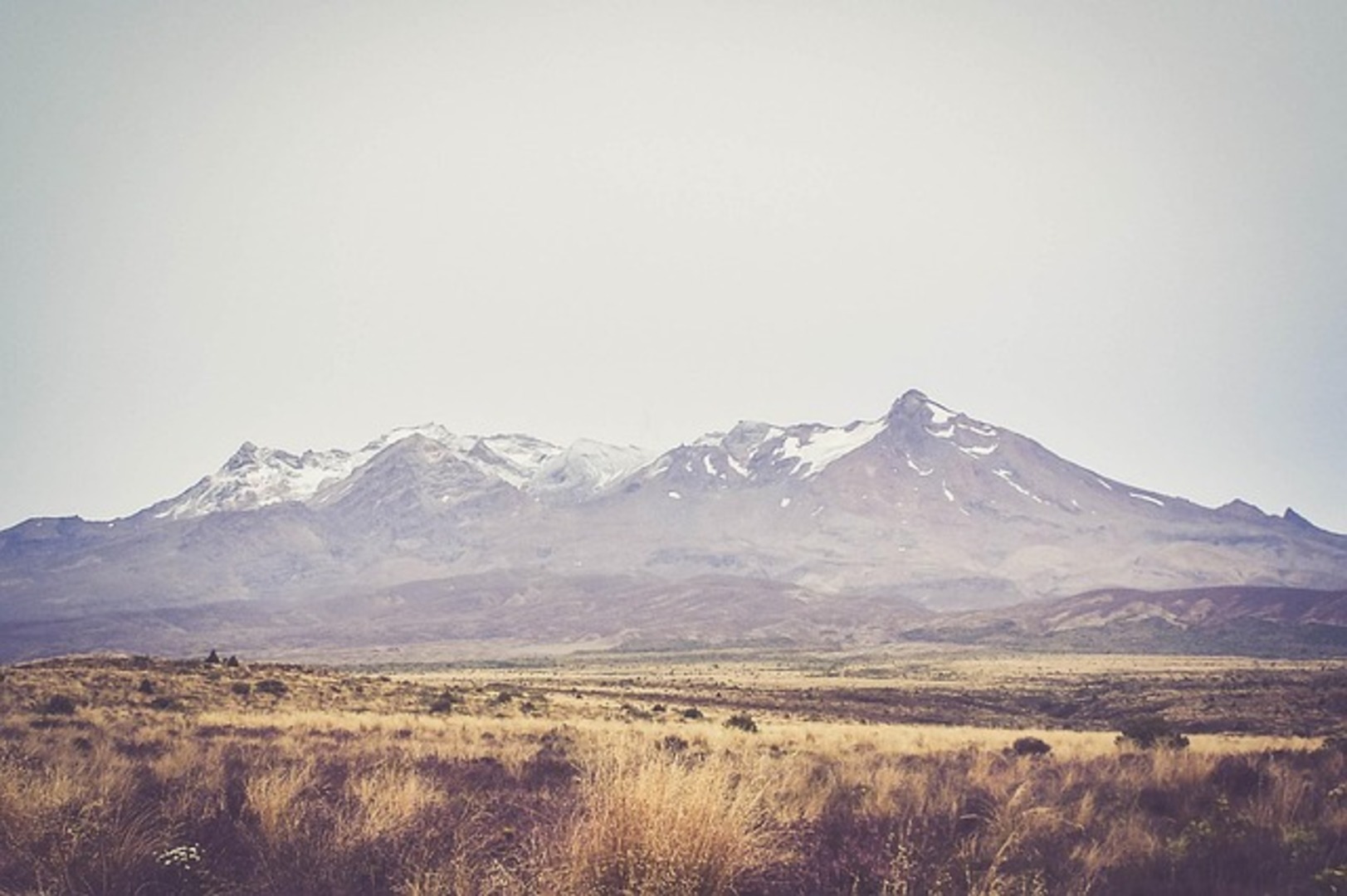
Experience active craters, steaming vents, and the dramatic peaks of Tongariro, Ngauruhoe, and Ruapehu. Witness New Zealand's most spectacular volcanic landscapes and geothermal features.
Walk through tussock fields, alpine meadows, and native bush with rare plants and wildflowers. Discover ecosystems that exist nowhere else on Earth in this volcanic environment.
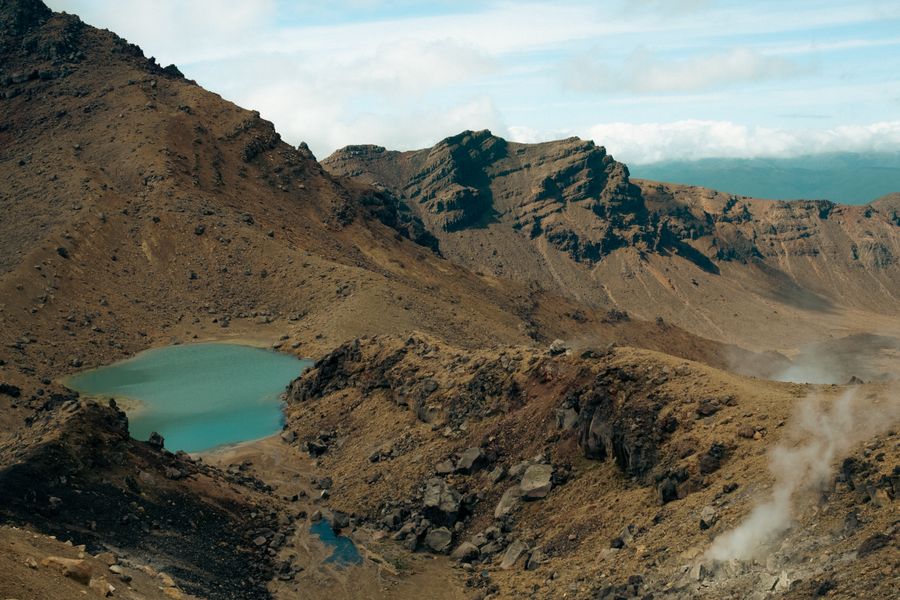
Marvel at the vivid Emerald Lakes, Blue Lake, and volcanic crater lakes. These stunning turquoise waters are formed by mineral deposits and create unforgettable photo opportunities.
Conditions around Tongariro change fast. Check a mountain forecast the morning you hike.
Long approaches and busy summit routes are safer and quieter with a dawn start.
Stay on marked trails, pack out waste, and respect local access rules and wildlife.
Trail conditions, permits, and weather change. Confirm details on doc.govt.nz before you go.
Signature one-day volcanic traverse.
High point on the crossing.
Colored volcanic lakes on the route.
Cone often seen from the track.
Shuttle-linked trailheads.
Activity status before you hike.
How much time should I allow for hiking Mount Tongariro?
Allow 6-8 hours for the full Tongariro Alpine Crossing. For the Tama Lakes Track, allow 5-6 hours. Mount Ngauruhoe summit adds 2-3 hours. Start early in the morning and check weather conditions before departing.
Are there any fees to enter Tongariro National Park?
Entry to Tongariro National Park is free. There are no entrance fees for day hiking or visiting the park. Some accommodation huts and guided tours may have separate charges.
Is Mount Tongariro suitable for beginner hikers?
The Tongariro Alpine Crossing is challenging and suitable for experienced hikers. However, there are shorter walks around Whakapapa Village and the Tama Lakes Track suitable for families and casual hikers. Choose trails appropriate to your fitness level.
When is the best time to visit Mount Tongariro?
Summer (December-March) offers the warmest weather and clearest conditions for hiking. Winter may bring snow and icy conditions to higher elevations. Always check current weather and track conditions with DOC before visiting.
Do I need permits for hiking at Mount Tongariro?
No permits are required for day hiking on most tracks including the Alpine Crossing. However, overnight camping and hut accommodation may require bookings. Check DOC website for current requirements and track conditions.
What wildlife might I see at Mount Tongariro?
Look for native birds like tui, kererū (wood pigeon), New Zealand falcon, and various alpine species. The park also has unique alpine plants and insects. Respect wildlife and stay on marked tracks to protect fragile ecosystems.
Mount Tongariro stands as New Zealand's most culturally significant landmark, a sacred volcanic massif rising 1,978 metres above sea level. Known to Māori as sacred mountain, this ancient peak has been revered by the Ngāti Tuwharetoa iwi for centuries and holds deep spiritual importance.
The mountain is part of Tongariro National Park, established in 1887 as New Zealand's first national park and the fourth in the world. This UNESCO World Heritage Site protects remarkable volcanic landscapes where active craters, emerald lakes, and alpine terrain create the perfect setting for world-renowned hiking adventures.